

Integrated Spine & Trauma Care: From Emergency to Recovery….


Amritsar, 30th May, 2026 – With rising cases of spine disorders and trauma-related injuries linked to sedentary lifestyles, road traffic accidents, and aging populations, leading specialists Dr. Avtar Singh HOD & Chief Orthopaedic Surgeon, Amandeep & Ujala Cygnus Group of Hospitals & According to Dr. Ashwarya Mehra Consultant Neuro and Spine Surgeon Amandeep Hospital, today highlighted the importance of early diagnosis, evidence-based treatment, and structured rehabilitation in ensuring better patient outcomes.
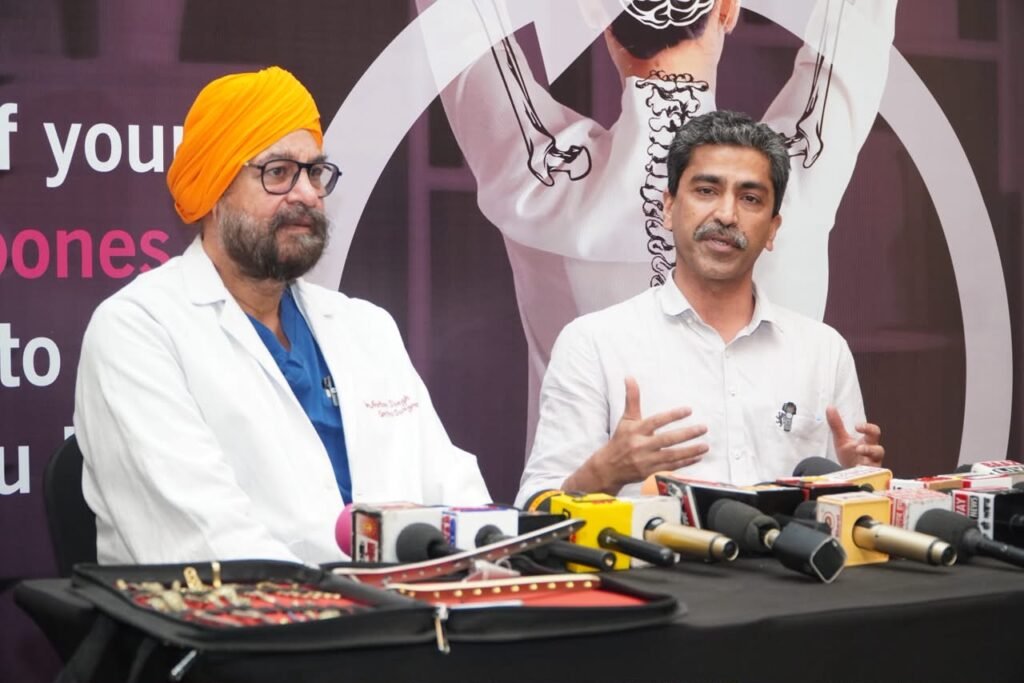 Speaking on the evolving approach to integrated spine and trauma care, experts emphasized that while back pain is common and often self-limiting, certain warning signs require urgent medical attention.
According to Dr. Avtar Singh “Trauma specialists added that road traffic accidents and falls continue to be major contributors to fractures and spinal injuries. “In trauma cases—particularly spinal injuries—the first few hours are critical. Early stabilization and timely imaging play a crucial role in preventing complications and long-term disability,” he said
According to Dr. Ashwarya Mehra “Spine disorders are extremely common today due to prolonged sitting, poor posture, and increasing life expectancy. While most back pain improves with rest and physiotherapy, a small percentage involves structural conditions that need medical evaluation,” he said
Recognizing Serious Warning Signs
Doctors advised patients to seek immediate consultation if they experience:
Persistent pain lasting more than a few weeks
Weakness or numbness in arms or legs
Loss of bladder or bowel control
Severe pain following an injury
Early diagnosis, they explained, can prevent progression of nerve compression or instability and significantly impact long-term mobility and quality of life.
Modern Treatment Pathways: Individualized and Evidence-Based
Treatment approaches are tailored to each patient. Many individuals improve with conservative management, including medication, lifestyle modification, and physiotherapy. Surgical intervention is recommended only when clinically necessary—particularly in cases of nerve compression, instability, or severe fractures.
In trauma care, stabilization—whether conservative or surgical—depends on fracture severity and patient factors. Advances in surgical techniques have enabled more precise fixation and earlier mobilization in appropriate cases.
Minimally Invasive Techniques: What It Means for Patients
The experts also discussed the growing use of minimally invasive procedures in spine and trauma care. These techniques use smaller incisions and specialized instruments to access affected areas with reduced disruption to surrounding muscles and tissues.
Compared to traditional open procedures, minimally invasive approaches may result in:
Less muscle disruption
Reduced blood loss
Shorter hospital stays in selected cases
Potentially quicker early mobility
However, specialists cautioned that not all patients are candidates for such procedures, and clinical suitability remains the primary consideration.
Rehabilitation: A Cornerstone of Recovery
Both surgeons underscored that surgery or fixation represents only one part of treatment.
According to Dr. Avtar Singh explained “Early guided mobilization reduces complications and enables patients to return to daily activities sooner,”
According to Dr. Ashwarya Mehra said “Rehabilitation is essential. Structured physiotherapy strengthens muscles, restores flexibility, and supports long-term recovery.”
Focus on Functional Recovery and Quality of Life
Successful treatment, the experts emphasized, goes beyond pain relief. The ultimate goal is restoration of independence, functionality, and overall quality of life—helping patients return to work, sports, and normal daily routines through safe and evidence-based care.
Prevention and Awareness
Doctors recommended proactive steps to reduce risk:
Spine Health:
Maintain good posture
Exercise regularly
Avoid prolonged sitting
Seek early consultation for persistent symptoms
Trauma Prevention:
Follow road safety measures
Use protective gear
Consider osteoporosis screening after 40, especially for women
“Prevention, awareness, and timely medical attention are the strongest tools we have to reduce long-term disability from spine and trauma conditions,” the specialists concluded.
Disclaimer: Issued in Public Interest by Medtronic for general information and awareness purposes only. Nothing in this communication is meant to be medical advice. Patients should consult with their physician for their symptoms and conditions.